
Building Modern Web Applications with Next.js 15
Explore the latest features of Next.js 15 and learn how to build scalable, performant web applications with the newest React patterns and server components.
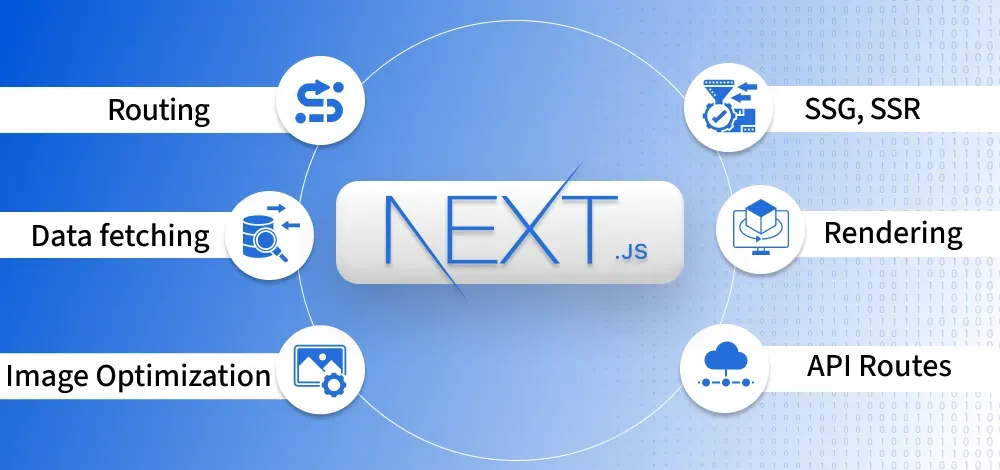
Introduction to Next.js 15
Next.js 15 represents a significant leap forward in React-based web development, introducing groundbreaking features that revolutionize how we build modern applications. With enhanced server components, improved performance optimizations, and a more intuitive developer experience, this latest version sets new standards for full-stack React frameworks.
Server Components Revolution
One of the most significant improvements in Next.js 15 is the enhanced server components architecture. These components run on the server, reducing client-side bundle size and improving initial page load times dramatically.
Key Benefits:
- Reduced Bundle Size: Server components don't ship JavaScript to the client
- Direct Database Access: Access databases and APIs directly without exposing sensitive data
- Improved SEO: Content is rendered on the server, making it easily indexable
- Better Performance: Faster initial page loads and reduced hydration time
Performance Optimizations
Next.js 15 introduces several performance enhancements that make applications faster and more efficient:
1. Turbopack Integration
The new Rust-based bundler provides up to 700x faster updates than Webpack, dramatically improving development experience.
2. Image Optimization
Enhanced image optimization with automatic format selection, lazy loading, and responsive image generation.
3. Edge Runtime
Improved edge runtime support allows functions to run closer to users, reducing latency significantly.
Developer Experience Improvements
Next.js 15 focuses heavily on improving the developer experience with better tooling, clearer error messages, and enhanced TypeScript support.
Enhanced TypeScript Support
Better type inference and automatic type generation for API routes and server components make development more robust and enjoyable.
Migration Guide
Upgrading to Next.js 15 is straightforward, but there are some breaking changes to be aware of:
Steps to Migrate:
- Update your Next.js version to 15.x
- Update React to version 18+
- Review and update deprecated APIs
- Test server components thoroughly
- Update your deployment configuration
Best Practices
To get the most out of Next.js 15, follow these best practices:
- Use server components for data fetching and rendering
- Implement proper error boundaries
- Optimize images and assets
- Leverage the new caching mechanisms
- Use TypeScript for better development experience
Conclusion
Next.js 15 is a game-changer for React developers, offering unprecedented performance improvements and developer experience enhancements. By embracing server components and the new architecture, developers can build faster, more efficient applications that provide excellent user experiences.
The future of web development is here, and Next.js 15 is leading the way. Whether you're building a simple blog or a complex enterprise application, the new features and optimizations make it easier than ever to create high-quality web applications.